


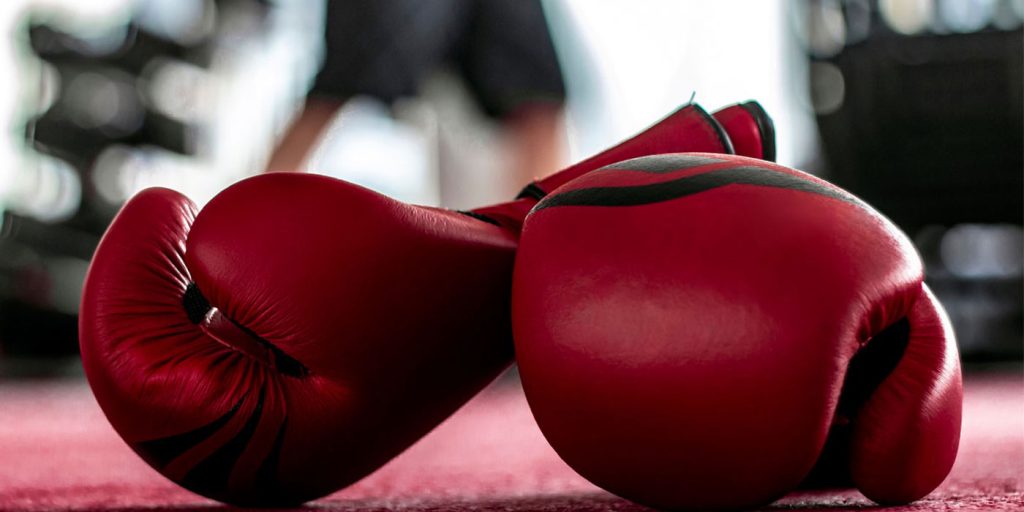
Boxing, one of the oldest and most revered combat sports, has undergone a significant evolution over the years. From its origins as a bare-knuckle brawl to its place in modern gyms as a fitness phenomenon, boxing continues to balance tradition with innovation. This duality has allowed boxing to remain relevant, appealing to purists who value its history and fitness enthusiasts seeking a challenging, full-body workout.
Join https://elook.org/en-bd/casino/banger/ and explore how boxing has evolved, blending its storied past with contemporary trends in fitness and sport.
The Roots of Boxing: A Historical Perspective
1. Ancient Beginnings
Boxing dates back thousands of years, with depictions of the sport found in ancient Egyptian tombs and records from the Greek and Roman empires. The sport has evolved significantly, with modern boxing featuring skilled techniques like footwork and the powerful jab. Prominent figures such as Jack Dempsey and Jack Johnson have left a lasting impact on the world of boxing, particularly in the heavyweight division. Amateur boxing has also gained popularity, alongside exciting styles like Thai boxing. Fighters often spar and contest to refine their technique, with the ultimate goal being a knockout, demonstrating the true power of a well-placed fist.
- Olympic Roots:
Boxing was introduced as an Olympic sport in Ancient Greece in 688 BCE, emphasizing strength, endurance, and strategy. - The Roman Era:
Gladiatorial boxing matches were brutal, often fought with leather straps or spiked gloves.
2. The Birth of Modern Boxing
The sport as we know it began to take shape in the 18th and 19th centuries.
- London Prize Ring Rules (1743):
Early regulations introduced basic safety measures and banned certain tactics. - Marquess of Queensberry Rules (1867):
These standardized rules introduced padded gloves, timed rounds, and weight classes, laying the foundation for modern boxing.
Boxing as a Competitive Sport
1. The Golden Age of Boxing
The 20th century saw boxing rise to prominence as a global sport, with legends like Muhammad Ali, Joe Louis, and Sugar Ray Robinson captivating audiences.
- Cultural Significance:
Boxing became a symbol of resilience and empowerment, especially for marginalized communities. - Iconic Rivalries:
Memorable bouts, such as Ali vs. Frazier and Tyson vs. Holyfield, elevated boxing’s appeal.
2. Innovations in the Ring
As the sport grew, advancements improved safety, competition, and fan experience.
- Protective Gear:
Better gloves, mouthguards, and headgear reduced injuries. - Scoring Systems:
The adoption of the 10-point must system added structure to judging fights. - Broadcasting Impact:
Pay-per-view events brought boxing to a global audience, making stars of fighters and generating massive revenues.
Boxing in Modern Fitness
1. The Rise of Boxing for Fitness
In recent years, boxing has expanded beyond the professional ring to become a popular fitness regimen.
- Functional Fitness:
Boxing offers a full-body workout, improving strength, endurance, coordination, and agility. - Stress Relief:
The high-intensity nature of boxing provides a therapeutic outlet for stress and tension. - Inclusive Appeal:
Boxing classes cater to all fitness levels, making it accessible to a broader audience.
Example: Boutique fitness studios like Rumble and Title Boxing Club have capitalized on the fitness boxing trend, combining traditional techniques with modern amenities.
2. Boxing Meets Technology
Advancements in technology have enhanced boxing training and accessibility.
- Wearable Tech:
Devices like smart gloves and fitness trackers measure punch speed, power, and accuracy, helping enthusiasts monitor progress. - Virtual Training:
Platforms like FightCamp offer interactive boxing workouts, allowing users to train at home with guided programs. - AI-Powered Coaching:
Apps provide real-time feedback on technique and performance, bridging the gap between personal training and solo practice.
Preserving Tradition in Modern Boxing
1. Respect for Boxing’s Roots
Despite its modern adaptations, boxing remains deeply rooted in tradition.
- Classic Training Techniques:
Time-honored drills like shadowboxing, heavy bag work, and skipping rope are still integral to training programs. - The Role of Coaches:
The mentorship dynamic between boxers and trainers, epitomized by duos like Cus D’Amato and Mike Tyson, continues to shape the sport. - Historic Venues:
Legendary arenas like Madison Square Garden and the MGM Grand remain central to boxing’s heritage.
2. Professional Boxing’s Evolution
While fitness boxing thrives, professional boxing continues to adapt to modern audiences.
- Crossover Events:
High-profile fights involving YouTubers and MMA stars, such as Jake Paul vs. Nate Diaz, attract new fans while sparking debate among purists. - Global Reach:
Fighters from diverse backgrounds, like Manny Pacquiao and Canelo Álvarez, highlight boxing’s global appeal. - Women’s Boxing:
Stars like Katie Taylor and Claressa Shields have elevated women’s boxing, breaking barriers and inspiring a new generation.
The Social Impact of Boxing
1. Empowering Communities
Boxing gyms have long been safe spaces for personal growth, especially in underserved areas.
- Youth Programs:
Initiatives like USA Boxing and community centers teach discipline and confidence to young participants. - Boxing and Rehabilitation:
Programs like Rock Steady Boxing help individuals with Parkinson’s disease improve motor skills and quality of life.
2. Boxing as a Cultural Symbol
Boxing has historically been tied to social and political movements.
- Muhammad Ali’s Activism:
Ali used his platform to advocate for civil rights, anti-war movements, and religious freedom. - Cultural Narratives:
Films like Rocky and Creed showcase boxing as a metaphor for perseverance and overcoming adversity.
Challenges and Opportunities
1. Safety Concerns
The physical risks of boxing, including concussions and chronic traumatic encephalopathy (CTE), remain a significant challenge.
- Improved Safety Measures:
Advances in protective gear and medical oversight aim to mitigate risks. - Awareness Campaigns:
Organizations like the World Boxing Council (WBC) promote health education and preventive measures.
2. Adapting to Modern Trends
Boxing must continue to balance tradition with innovation to remain relevant.
- Hybrid Training Models:
Integrating boxing with other fitness trends, such as high-intensity interval training (HIIT), appeals to diverse audiences. - Enhanced Accessibility:
Affordable gym memberships and online training platforms ensure boxing reaches a broader demographic.
The Future of Boxing
1. Expanding Fitness Markets
Fitness boxing will likely continue to grow, driven by trends in wellness, technology, and inclusivity.
- Corporate Wellness Programs:
Boxing-based workouts are becoming popular in workplace wellness initiatives. - Global Expansion:
Emerging markets in Asia, Africa, and South America are embracing boxing for fitness and competition.
2. Innovations in Competition
Professional boxing is exploring new ways to attract fans.
- Shorter Formats:
Events like bare-knuckle boxing and shorter fight cards appeal to younger audiences. - Fan Engagement:
Augmented reality (AR) and virtual reality (VR) experiences enhance live events and broadcasting.
Conclusion
Boxing’s evolution from a brutal ancient pastime to a modern fitness and professional sport highlights its adaptability and enduring appeal. By preserving its rich traditions while embracing innovation, boxing continues to captivate audiences, inspire athletes, and empower individuals around the world.
Whether in the ring or the gym, boxing remains a powerful symbol of discipline, resilience, and the timeless pursuit of strength and self-improvement.